Zomato is currently discussing with PayTM to acquire its movies and events booking business. This move is set to enhance Zomato’s presence in the entertainment sector, adding to the success of its popular Zomaland festivals. By making this acquisition, Zomato aims to evolve into a comprehensive platform that caters to a wide range of consumer needs.
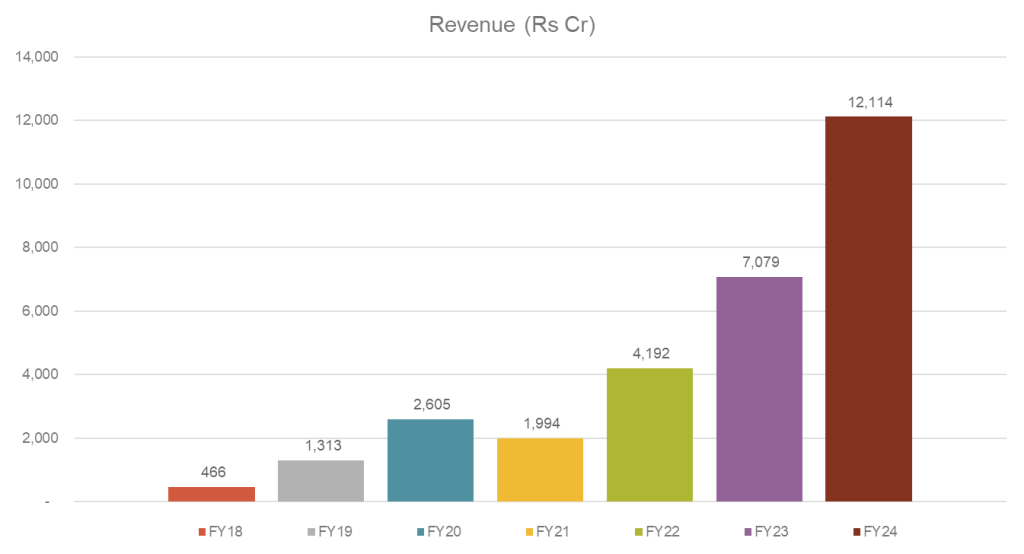
Zomato’s Growth
Today, let’s dive deeper into how Zomato uses acquisitions to fuel its growth. By strategically acquiring other companies, Zomato has built its capabilities, expanded its market presence, and diversified its offerings. From food delivery to quick commerce, restaurant reservations, corporate catering, and now entertainment, Zomato is transforming into a one-stop platform for consumers. These acquisitions have turned Zomato into a powerhouse of growth and innovation.
Let’s explore how Zomato has utilized acquisitions to build capabilities and achieve market dominance.
- Quick Commerce: Zomato’s acquisition of Blinkit marked its entry into the quick commerce market, allowing it to offer a wide range of everyday consumer goods. Quick commerce involves the rapid delivery of groceries and daily essentials, often within minutes. With Blinkit now contributing nearly 25% of Zomato’s revenue, this acquisition has significantly broadened Zomato’s service offerings, making it an essential part of many customers’ daily lives.
- Geographic Expansion: Zomato has strategically acquired several platforms to extend its reach globally. Platforms like Urbanspoon, Mekanist, Menumania, Obedovat, Lunchtime, Gastronauci, and Cibando have been crucial in this expansion. These acquisitions have allowed Zomato to establish a strong user base and restaurant network in countries such as the US, Canada, Australia, Turkey, New Zealand, Slovakia, Czech Republic, Poland, and Italy. In India, the acquisition of Uber Eats significantly boosted its domestic market presence, making Zomato a dominant player in the Indian food delivery market.
- Technology and Delivery Enhancements: To improve its delivery capabilities, Zomato acquired Sparse Labs and Runnr. Sparse Labs brought advanced delivery optimization technology, making Zomato’s delivery process more efficient. Runnr, on the other hand, expanded Zomato’s logistics network, ensuring faster and more reliable food delivery. These acquisitions mean that Zomato can provide quicker, more reliable service to its customers, enhancing user satisfaction. Additionally, acquiring Maplegraph improved Zomato’s mobile app user experience, making it more intuitive and user-friendly, which is essential for retaining and attracting customers in a highly competitive market.
- Restaurant Reservations: The acquisition of Nextable allowed Zomato to integrate table booking services into its platform. This integration provides a seamless experience for users and offers restaurants a comprehensive solution to manage both delivery and dine-in customers.
- Corporate Catering: By acquiring TongueStun, a leader in B2B food tech, Zomato entered the corporate catering market. TongueStun had a strong presence in corporate catering, providing meals to employees in various companies. This acquisition allowed Zomato to tap into the B2B segment, providing a steady revenue stream and diversifying its offerings beyond individual consumers to corporate clients.
As we can see, Zomato has used strategic acquisitions as a cornerstone of its growth strategy. By entering new markets, diversifying its offerings, and developing new technological capabilities, Zomato has built a robust platform that caters to a broad range of consumer needs. These strategic moves have positioned Zomato as a leading lifestyle services provider, well-equipped to meet the demands of an evolving market. Through continuous innovation and integration of complementary businesses, Zomato is expanding its footprint and enhancing the overall user experience, making it an indispensable part of everyday life for millions of people.



 Growth Factorials
Leave a comment